.png)
Best AI Tools for Online Classes: A Comprehensive Guide for Students and Educators
Navigating the AI Landscape for Online Learning
The rise of Artificial Intelligence (AI) is transforming education, particularly the realm of online classes. From streamlining administrative tasks to providing personalized learning experiences, AI tools offer significant benefits for both students and educators. This post provides a curated list of the best AI tools currently available, categorized by their primary function, to help you enhance your online learning journey.
AI Tools for Students
Students can leverage AI to improve their study habits, writing quality, and overall understanding of course material. Here are some top recommendations:
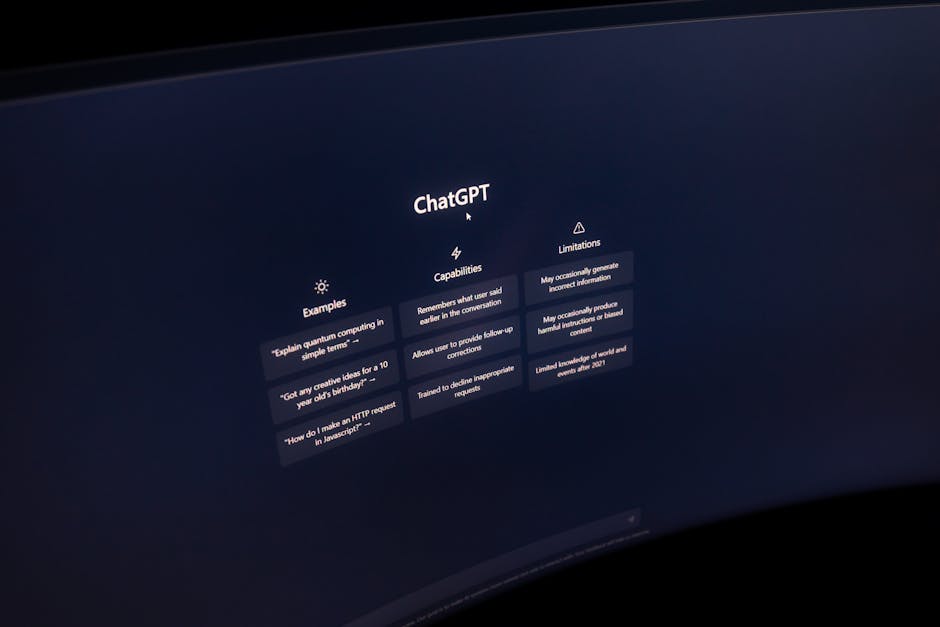
- ChatGPT (OpenAI): A versatile chatbot capable of answering questions, summarizing texts, generating ideas, and even providing feedback on writing. Use it for brainstorming, clarifying concepts, or getting help with research. (Caution: Always verify information provided by ChatGPT.)
- Grammarly: An AI-powered writing assistant that checks grammar, spelling, punctuation, and style. Essential for ensuring clarity and professionalism in assignments. Offers suggestions for improving sentence structure and vocabulary.
- Quizlet (with Q-Chat): While Quizlet is a well-known flashcard platform, its Q-Chat feature utilizes AI to create personalized study plans and answer questions about your learning material.
- Otter.ai: An AI transcription service that converts audio and video recordings into text. Invaluable for taking notes during lectures or reviewing recorded sessions.
- Scholarcy: An AI-powered research tool that summarizes academic papers and highlights key findings. Saves time and helps you quickly grasp the core concepts of complex research.
- Jenni.ai: Specifically designed for academic writing, Jenni.ai assists with research, outlining, and drafting essays. It can also help paraphrase and cite sources.
AI Tools for Educators
Instructors can utilize AI to automate tasks, personalize learning, and improve student engagement. Consider these tools:
- Gradescope: An AI-assisted grading platform that streamlines the assessment process, particularly for handwritten assignments and code. Provides detailed analytics on student performance.
- Turnitin (with AI detection): While primarily known for plagiarism detection, Turnitin now incorporates AI writing detection capabilities to help identify potential misuse of AI tools by students.
- Microsoft Copilot (formerly Bing Chat Enterprise): Can assist with creating lesson plans, generating quizzes, and providing feedback on student work. Integrates with Microsoft Office Suite.
- MagicSchool.ai: A suite of AI tools specifically designed for teachers, including tools for generating rubrics, writing IEPs, and creating differentiated instruction materials.
- Khan Academy (Khanmigo): Khan Academy's AI tutor, Khanmigo, provides personalized learning support to students and assists teachers with lesson planning and assessment.
- Synthesia: An AI video creation platform that allows educators to create professional-looking videos without needing to be on camera. Useful for creating engaging lecture content.
Ethical Considerations and Best Practices
While AI tools offer numerous benefits, it's crucial to use them responsibly and ethically. Students should be transparent about their use of AI and avoid submitting AI-generated content as their own original work. Educators should clearly define acceptable use policies and focus on fostering critical thinking skills. Always verify information generated by AI and prioritize human interaction and judgment.


