.png)
How to Use AI to Generate Practice Worksheets
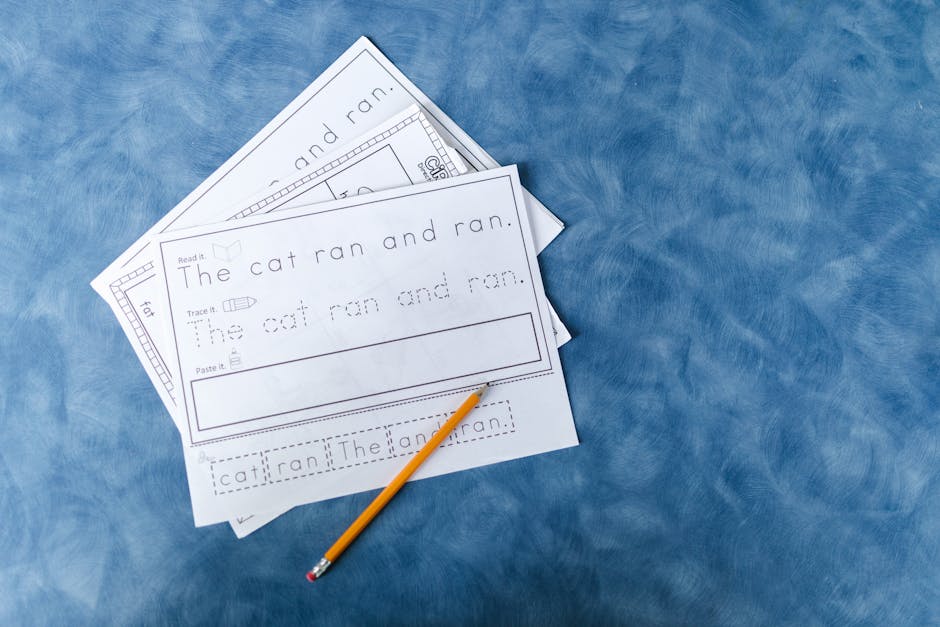
The Rise of AI in Educational Resource Creation
Educators are constantly seeking ways to personalize learning and provide students with ample practice opportunities. Creating high-quality practice worksheets, however, can be incredibly time-consuming. Fortunately, advancements in Artificial Intelligence (AI) offer a powerful solution. This post explores how to leverage AI tools to efficiently generate practice worksheets tailored to specific learning objectives and skill levels.
AI Tools for Worksheet Generation
Several AI-powered platforms are now available, each with varying capabilities. Here's a breakdown of popular options and their strengths:
- ChatGPT (OpenAI): While a general-purpose chatbot, ChatGPT excels at generating text-based worksheets, including multiple-choice questions, fill-in-the-blanks, and short-answer prompts. Its strength lies in its ability to adapt to complex instructions and generate diverse question types.
- Google Gemini (formerly Bard): Similar to ChatGPT, Gemini can create a wide range of worksheet content. It integrates well with other Google Workspace tools, making it convenient for educators already using those platforms.
- Quizizz AI: Specifically designed for educational content, Quizizz AI allows you to input a topic and grade level, and it will generate quizzes and worksheets. It focuses on assessment and provides immediate feedback options.
- Worksheet Generator AI (various platforms): Several dedicated AI worksheet generators are emerging, often specializing in specific subjects like math or language arts. These platforms typically offer more structured templates and customization options.
Crafting Effective Prompts
The quality of the generated worksheets heavily depends on the prompts you provide to the AI. Here are some tips for writing effective prompts:
- Be Specific: Clearly define the topic, grade level, and learning objective. For example, instead of “Create a math worksheet,” try “Generate a worksheet for 5th-grade students practicing multiplying fractions with unlike denominators.”
- Specify Question Types: Request specific question formats like multiple-choice, true/false, matching, short answer, or problem-solving.
- Define Difficulty Level: Indicate the desired difficulty level (e.g., easy, medium, hard).
- Set the Number of Questions: Specify the number of questions you want the AI to generate.
- Request an Answer Key: Always ask for an answer key to save time on grading.
- Provide Context: If the worksheet is related to a specific lesson or textbook, provide relevant context to the AI.
- Iterate and Refine: Don't be afraid to experiment with different prompts and refine them based on the results.
Example Prompts
Here are a few example prompts you can adapt:
- “Create a worksheet for 8th-grade English students focusing on identifying similes and metaphors. Include 10 multiple-choice questions and an answer key.”
- “Generate 5 word problems for 6th-grade math students involving calculating percentages. The problems should be medium difficulty and include an answer key.”
- “Develop a fill-in-the-blank worksheet for 4th-grade science students about the life cycle of a butterfly. Include 8 questions and an answer key.”
Post-Generation Review and Editing
While AI is powerful, it's crucial to remember that it's not perfect. Always review and edit the generated worksheets before using them with students. Check for:
- Accuracy: Ensure the questions and answers are factually correct.
- Clarity: Verify that the questions are clearly worded and easy to understand.
- Appropriateness: Confirm that the content is age-appropriate and aligned with your curriculum.
- Formatting: Adjust the formatting to match your preferred style.
Ethical Considerations
Be mindful of copyright and plagiarism when using AI-generated content. While the AI generates original text based on its training data, it's good practice to cite the use of AI in your materials, especially if you are sharing them publicly. Focus on using AI as a tool to *assist* your teaching, not to *replace* your pedagogical expertise.


