
How to Record and Analyze Your Speaking Using AI
The Power of AI-Powered Speech Analysis
In today's professional landscape, effective communication is paramount. Whether you're preparing for a presentation, refining your sales pitch, or simply aiming to improve your everyday interactions, understanding *how* you speak is just as important as *what* you say. Fortunately, advancements in Artificial Intelligence (AI) now offer powerful tools to record, transcribe, and analyze your speech, providing actionable insights for improvement. This post will guide you through the process, covering recording techniques and a review of leading AI analysis platforms.
Recording Your Speech for Analysis
The quality of your recording directly impacts the accuracy of the AI analysis. Here's how to ensure optimal results:
- Environment: Choose a quiet room with minimal background noise. Echoes and reverberation can significantly degrade transcription accuracy.
- Microphone: While smartphone microphones are acceptable for basic analysis, a dedicated USB microphone or headset will yield far superior audio quality. Consider a condenser microphone for clear vocal capture.
- Distance: Maintain a consistent distance from the microphone (around 6-12 inches is a good starting point).
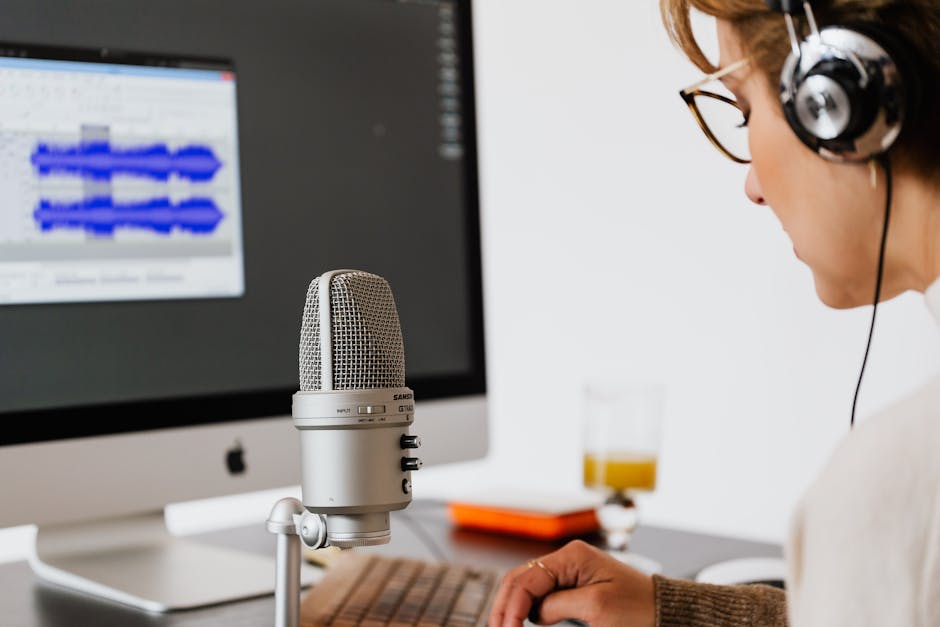
- Software: Use reliable recording software. Options include Audacity (free and open-source), GarageBand (macOS), or Adobe Audition (paid).
- File Format: Record in a lossless format like WAV or AIFF for the highest fidelity. MP3 is acceptable but introduces some compression.
AI Platforms for Speech Analysis
Several AI-powered platforms can analyze your recordings. Here's a breakdown of popular options and their key features:
- Otter.ai: Primarily a transcription service, Otter.ai also offers speaker identification, keyword extraction, and summary generation. It's excellent for meeting recordings and lectures.
- Descript: A powerful audio and video editor that leverages AI for transcription, overdubbing (editing audio by editing the transcript), and filler word removal. It's a comprehensive solution for podcasting and content creation.
- Vocalmetrics: Specifically designed for sales and customer service training, Vocalmetrics analyzes vocal tone, pace, and energy to provide insights into communication effectiveness.
- Sonix.ai: Another robust transcription and translation service. Sonix offers features like speaker diarization (identifying who spoke when) and customizable vocabulary.
- AssemblyAI: A developer-focused platform offering a suite of APIs for speech-to-text, topic detection, sentiment analysis, and more. Requires some technical expertise.
Key Metrics to Analyze
Once your speech is transcribed, focus on these key metrics:
- Filler Words: (Um, Ah, Like) – Excessive use can detract from your message.
- Pace: Speaking too quickly or too slowly can hinder comprehension.
- Pauses: Strategic pauses can emphasize points, while frequent, unintentional pauses can indicate uncertainty.
- Word Choice: Identify jargon or complex language that might not resonate with your audience.
- Sentiment: (Where available) – Understand the emotional tone of your delivery.
- Speaking Rate: Words per minute (WPM) – Helps gauge clarity and engagement.
Putting Analysis into Action
The goal isn't just to identify areas for improvement, but to actively work on them. Practice speaking slowly and deliberately, consciously reducing filler words. Record yourself again after implementing changes and compare the results. Consistent practice and AI-powered feedback can significantly enhance your communication skills.


